Most of the attention in perinatal care goes to pregnancy. There are apps for every week of fetal development, a whole industry built around birth preparation, and a wall of books on pregnancy nutrition. Then the baby arrives, and suddenly the focus shifts entirely to the newborn, often leaving the postpartum body as an afterthought.
The six-week check is usually the only formal postpartum appointment most people get. You are assessed briefly, declared healed, and cleared for everything. But six weeks is not a recovery finish line. It is just the point where the most acute healing has occurred. For many people, especially those who experienced significant pelvic floor strain, diastasis recti, or a complicated delivery, six weeks is closer to the beginning of recovery than the end.
This is where postpartum chiropractic care comes in.
What Happens to Your Body During and After Birth
Birth places significant mechanical demands on the pelvis, sacrum, and surrounding soft tissue, regardless of whether delivery was vaginal or by cesarean. The ligaments that loosened throughout pregnancy under the influence of relaxin do not immediately return to their pre-pregnancy state. The pelvic floor, which absorbed the forces of labor, needs time and often targeted support to recover fully. The thoracic spine and ribcage, which adapted to accommodate a growing baby, need to readjust to a non-pregnant posture.
Add to that the demands of early postpartum life: nursing and feeding positions that round the upper back, carrying an infant in ways that load one side of the body unevenly, sleep deprivation that affects how we hold ourselves, and the emotional and hormonal shift that accompanies new parenthood. The postpartum body is working hard, often without the support it needs.
What Postpartum Chiropractic Care Addresses
Postpartum chiropractic care focuses on restoring alignment and function to a body that has been through significant change. The most common areas addressed include:
Sacroiliac and pelvic alignment. The SI joints are among the most commonly affected structures after birth. Pelvic asymmetry can contribute to low back pain, hip pain, and difficulty with activities like climbing stairs or lifting.
Upper back and thoracic spine. Nursing, bottle feeding, and infant carrying all tend to pull the thoracic spine into flexion. Targeted adjustments and postural guidance can reduce the strain that accumulates in this region over months of infant care.
Neck and upper cervical spine. Tension in the upper cervical spine is extremely common postpartum, often related to feeding positions and the way new parents sleep, or do not sleep.
Diastasis recti support. Chiropractic care does not treat diastasis directly, but restoring pelvic and lumbar alignment reduces the compensatory strain patterns that make diastasis recovery harder. Referral to a pelvic floor physiotherapist is often part of the care plan.
Nervous system regulation. Birth is a significant neurological event. Restoring normal movement to the spine supports the nervous system's ability to adapt and recover, which matters not just for physical function but for mood and energy in the postpartum period.
When to Start Postpartum Chiropractic Care
There is no mandatory waiting period before seeing a chiropractor postpartum. Many patients choose to come in within the first two to four weeks after delivery, particularly if they experienced a long labor, significant pushing, instrumental delivery, or if they had established care during pregnancy and want continuity.
For those who had a cesarean, the incision site and abdominal healing are factored into the approach, and care is adapted accordingly. Cesarean delivery does not mean avoiding chiropractic. If anything, the altered mechanics of a surgical birth often create their own postpartum alignment challenges.
If you had a straightforward vaginal birth and feel relatively well, there is no urgency, but there is also no reason to wait until six weeks if you are experiencing pain, tension, or discomfort sooner.
What Postpartum Care at Venture Chiropractic Looks Like
Dr. Melanie Dockter DC, CACCP is a BirthFit Leader and Pregnancy and Postpartum Corrective Exercise Specialist (PCES), which means postpartum care at Venture Chiropractic goes beyond spinal adjustments.
A postpartum visit typically includes a thorough assessment of pelvic and lumbar alignment, upper back and neck tension, and a conversation about your birth experience, current symptoms, and daily movement demands. From there, care is individualized. Most people benefit from a combination of gentle adjustments, soft tissue work, and specific corrective exercises to support core and pelvic floor recovery.
Where appropriate, Dr. Melanie will coordinate care with a pelvic floor physiotherapist or other members of your care team. The goal is not to keep you coming in indefinitely. The goal is to help you understand what your body needs, support your recovery with targeted care, and equip you with the tools to maintain that progress independently.
Bringing Your Baby
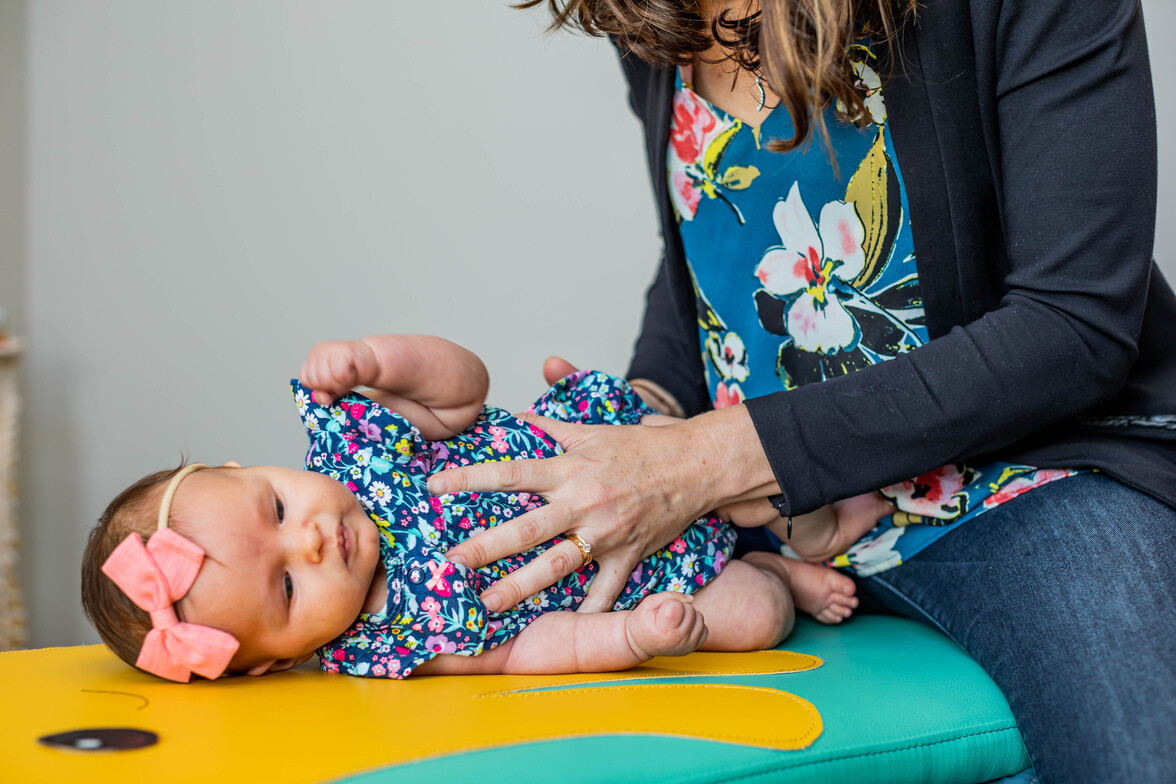
You do not need to arrange childcare to come to your appointment. Babies are welcome at Venture Chiropractic, and many postpartum patients bring their newborns with them. If your baby is ready for their first chiropractic assessment, we can often see both of you in the same visit. Learn more about our pediatric chiropractic care for infants and children.
You Deserved Support Before the Six-Week Check, and You Deserve It After
Postpartum recovery is not linear, and the timeline varies widely from person to person. If you are weeks or months past delivery and still feeling like something is not right in your body, that is worth addressing. You do not have to accept ongoing pain, tension, or dysfunction as the new normal.
If you are in Fargo, West Fargo, Moorhead, or the surrounding area and have questions about postpartum chiropractic care, contact us or book online. Dr. Melanie is here to support you through every stage of this season.


.jpg)